HomeArticlesProduction partners
A producer for an agency or in-house team: how to bring someone into a project
Bring an external producer into an agency or in-house team: pilot, editorial decisions, approvals and evaluation.
In this article (7)

An agency has a client, account manager, designer, camera operator and editor. The video still gets stuck: the topic changes after filming, the speaker receives conflicting advice and the editor tries to guess which point to keep. An extra person helps when the decisions they are expected to make are clear.
I am Ivan Zinovev, producer at iZi Media in Dubai. Content work can begin with the topic and speaker and continue through to the finished video. When joining an existing team, the first step is to define where my decisions end and the agency’s or client’s responsibilities begin.
A coordinator or an editorial lead?
If the topic and script are agreed but the team loses track of deadlines, links and versions, it may need a coordinator. That person collects inputs, manages handoffs and follows up on approvals.
If deadlines are known but nobody can explain why a viewer should watch, the issue is editorial. Someone needs to decide on the topic, structure, questions, examples, speaker delivery and the meaning preserved in the edit. That is the scope to discuss with a producer.
Sometimes both functions are needed. List them separately. A person who leads a substantive interview does not automatically become the manager of every contractor, the owner of the advertising budget or the person responsible for sales. Clear scopes make the work easier to evaluate.
How to bring someone in without hiring an employee
Define the object of the work first: one video, a series pilot or a limited preparation stage. Then list available source material, team members, deadlines and decisions the specialist can make independently.
For example: “Prepare one expert video and take it through to an approved version. The scope includes a speaker meeting, topic, structure, questions, participation in recording and one agreed stage of editorial review of the edit.” Filming, editing and extra revision stages should be listed separately in the proposal. This is an illustrative task description, not a fixed-price package.
If you only need a review of an existing plan, a full production cycle may be unnecessary. If nobody can lead the conversation or review the edit after preparation, account for that limit when assessing the result. The involvement should end at a specific point with a specific handoff.
What a trial collaboration should include
A trial project lets you test the collaboration on one video the team can finish. Agree on:
- The viewer and the question the piece should answer.
- The speaker, a real example and available sources.
- The preparation, filming, editing and approval scopes.
- The client contact who consolidates comments and accepts the final version.
- The producer’s decisions and the points requiring agency approval.
- The handoff format and acceptance criteria.
The pilot ends with a reviewable piece and a discussion of the process. The YouTube launch case study describes preparing initial topics, a speaker and a pilot shoot. It records a working process without presenting an aggregate performance figure for every project.
An example working week
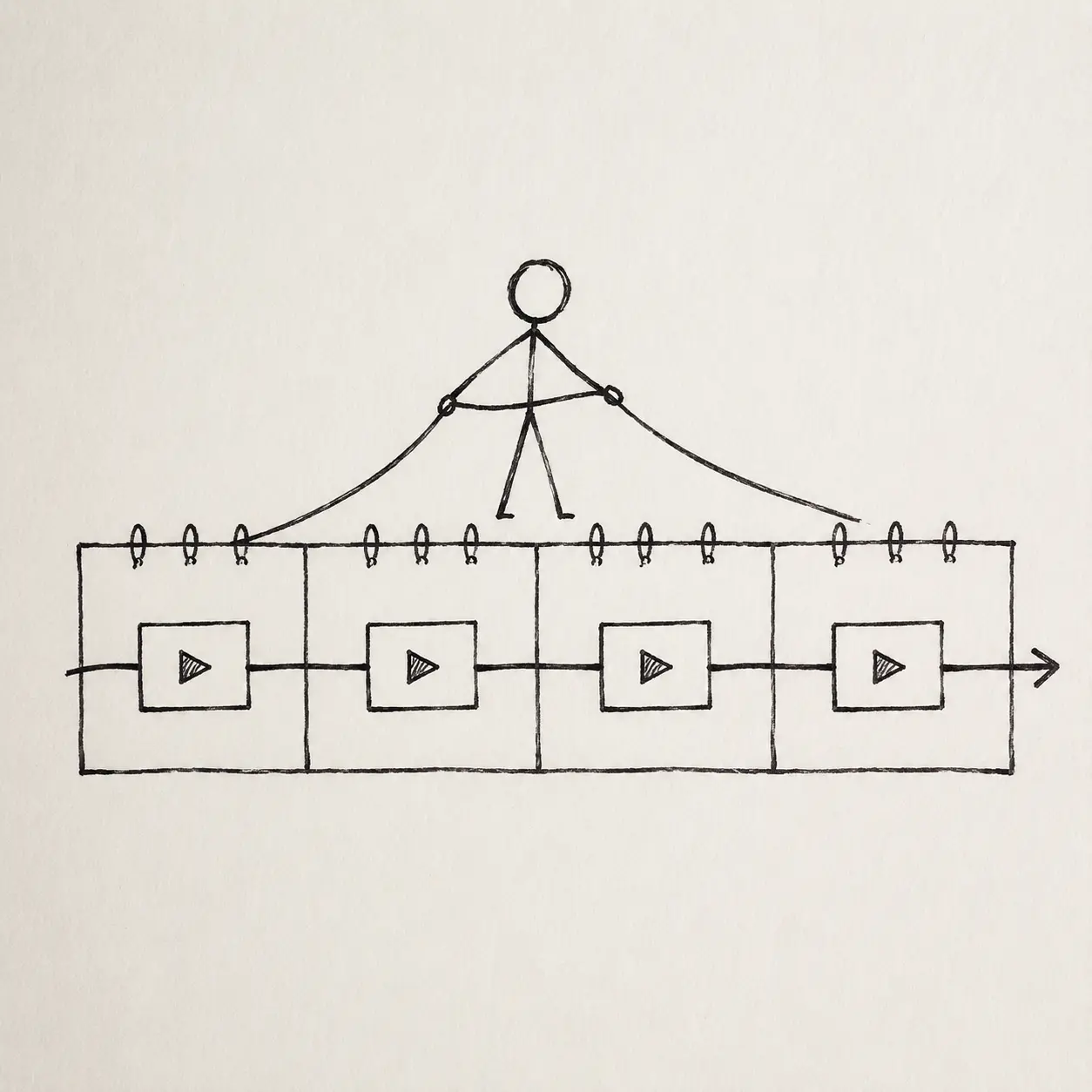
Suppose the topic is manageable, the speaker is available and the team has reserved time. Early in the week, the agency supplies the client brief and source material; the producer defines the viewer and develops a structure. Next comes the speaker meeting, checking examples and approving the plan. After recording, the editor receives marked answers and the brief. At the end of the week, the team watches the first assembly and prepares one revision list.
This is an illustrative schedule, not a promise to deliver any project in five days. Multiple interview participants, complex fact-checking or an unavailable approver change the timetable. Include the dates when client answers are needed as well as production dates.
If a new business purpose emerges after approval, discuss its effect on the content, filming and deadlines first. If the editor misunderstood an agreed brief, correct the handoff or execution. These situations create different amounts of further work.
As part of the agency or as an external specialist?
In the first arrangement, the producer joins the agency’s project team. The agency handles the commercial relationship, introduces the participant and defines communication channels. Before meeting, agree whether the producer can contact the speaker directly and which matters can be discussed without the account manager.
In the second, the client knows that an external specialist has a separate remit. The agency retains its tasks while the producer can make agreed editorial decisions. Both arrangements are available for discussion; neither automatically describes existing partnership terms.
Working as part of an agency project does not require inventing an employee title or hiding someone’s role from the client. An agreed introduction and clear boundaries are enough. Budget changes, extra services and repeat projects go through the designated commercial contact.
Who makes decisions and consolidates feedback?
The producer owns the proposed topic, structure, speaker work and editorial comments within the agreed scope. The camera operator owns the technical recording. The editor implements the brief and produces edit versions. The agency connects the video to the client’s campaign. The client checks facts and approves publication. One person can hold several roles in a small team; the tasks still remain distinct.
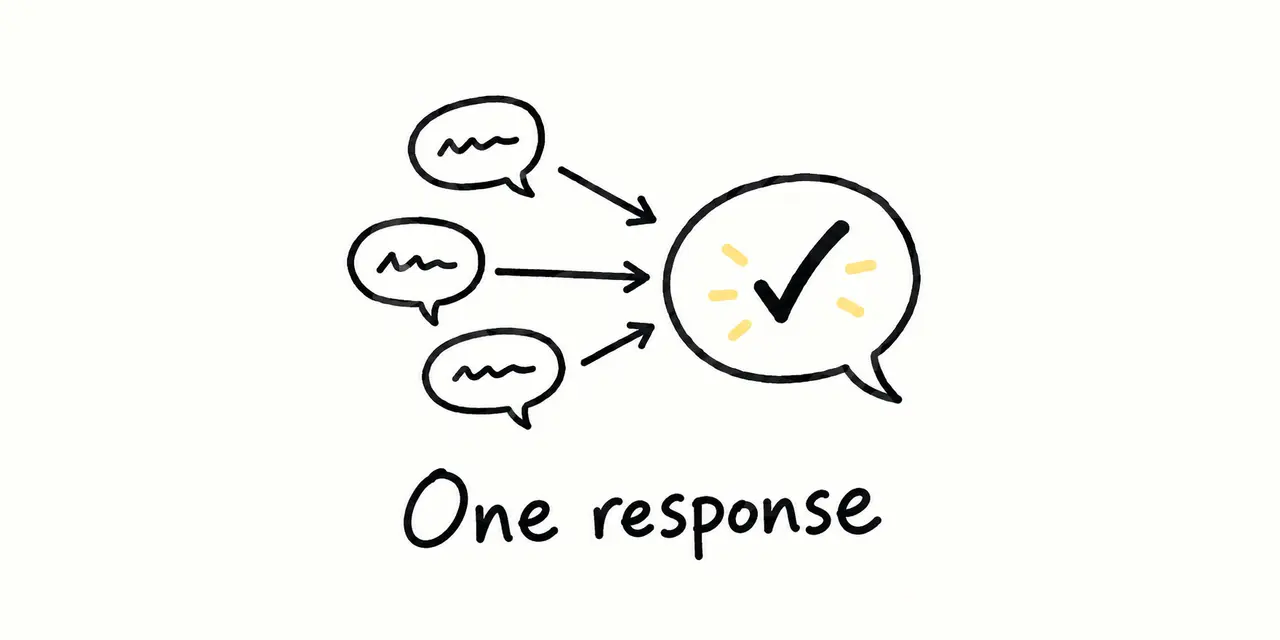
Appoint one person to consolidate feedback. They gather comments, resolve contradictions and send an agreed response. A note should explain the problem: “The reason for turning down the job disappears here; restore the line at this timestamp,” rather than “make it more dynamic”.
Decide separately who chooses between editorial options. If the client has the final say, the producer explains the consequences and records the choice. Agree revision stages and the process for changing the brief before work starts.
How to evaluate the producer after a pilot
Check three levels. Content: the video answers the viewer’s question, includes a verifiable example and lets the speaker explain the decision in their own words. Handoff: the editor has a structure and usable notes, the appointed person checks the facts and the final version is approved. Process: roles and deadlines were clear, delays and scope changes were recorded and the next video can follow the same procedure.
Views and enquiries after publication are useful to observe, but they do not describe the producer’s entire contribution and depend on other parts of marketing. If the remit covers preparation and recording, assess that stage separately. Conclusions about a series require several videos and agreed data; one pilot does not justify promising future sales.
The case study of a coaches’ in-house content team describes training in filming, speaking, editing and publishing, alongside shared formats. It shows another way to divide work: the team develops content itself. It is not an agency partnership case or evidence for particular commercial arrangements.
Discuss a pilot through YouTube production. A filming team can read the camera crew guide; a studio can read the podcast guide.