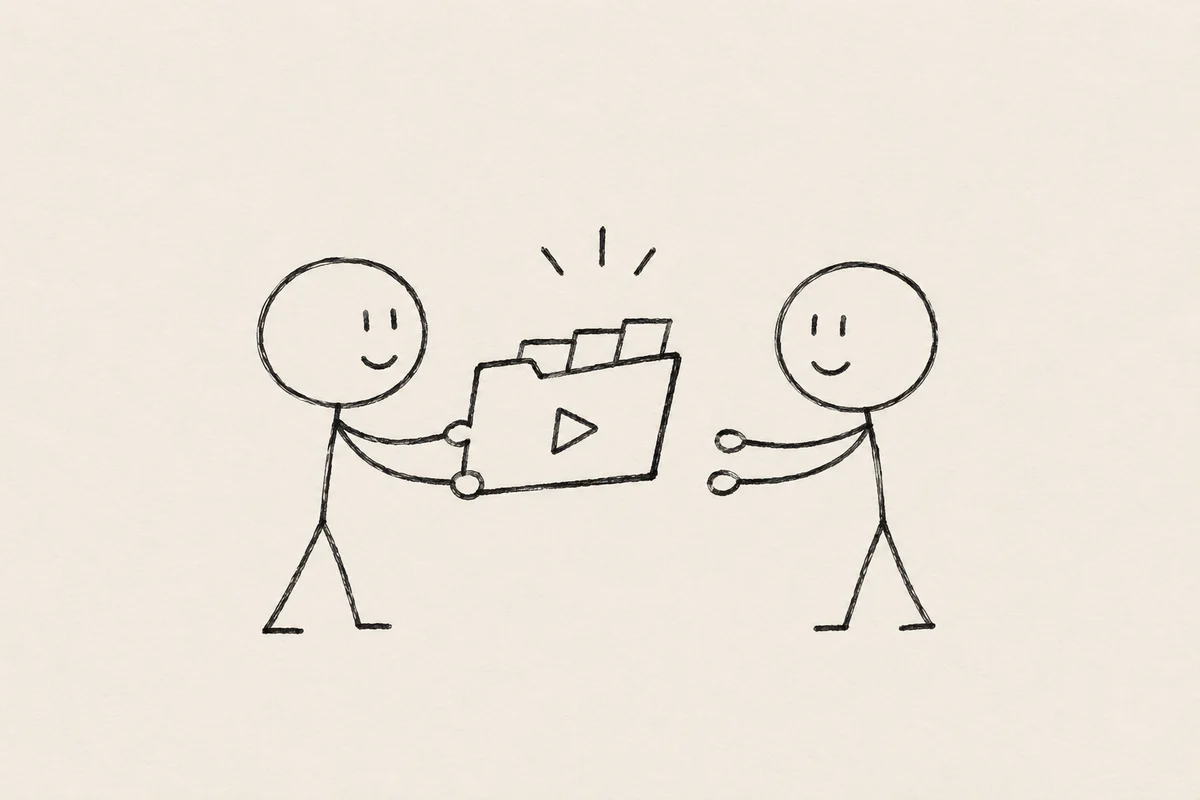
A YouTube channel becomes more valuable when it works as a library
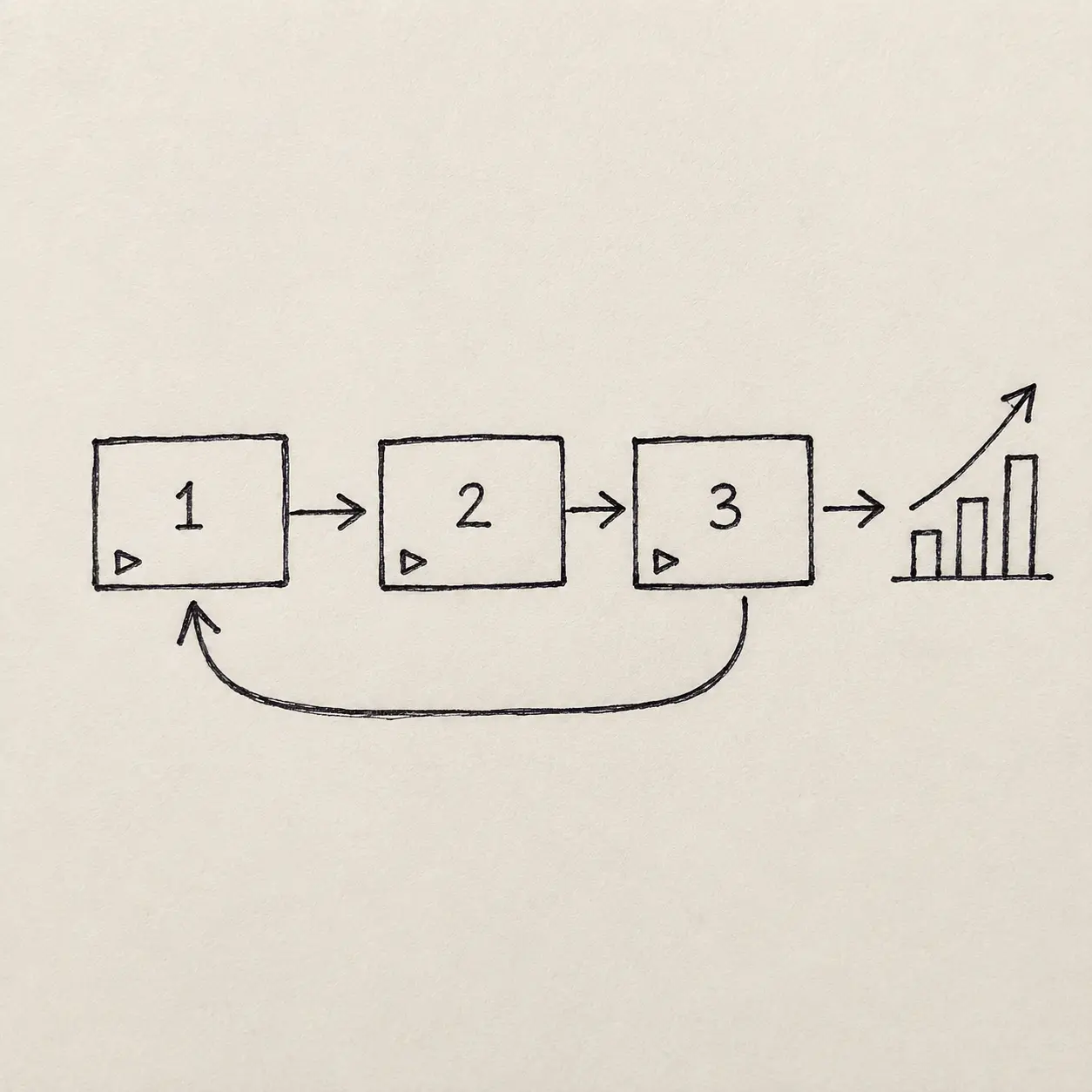
Connect videos so viewers can follow a general explanation with a detailed guide and then a real example. It makes the subject easier to explore.
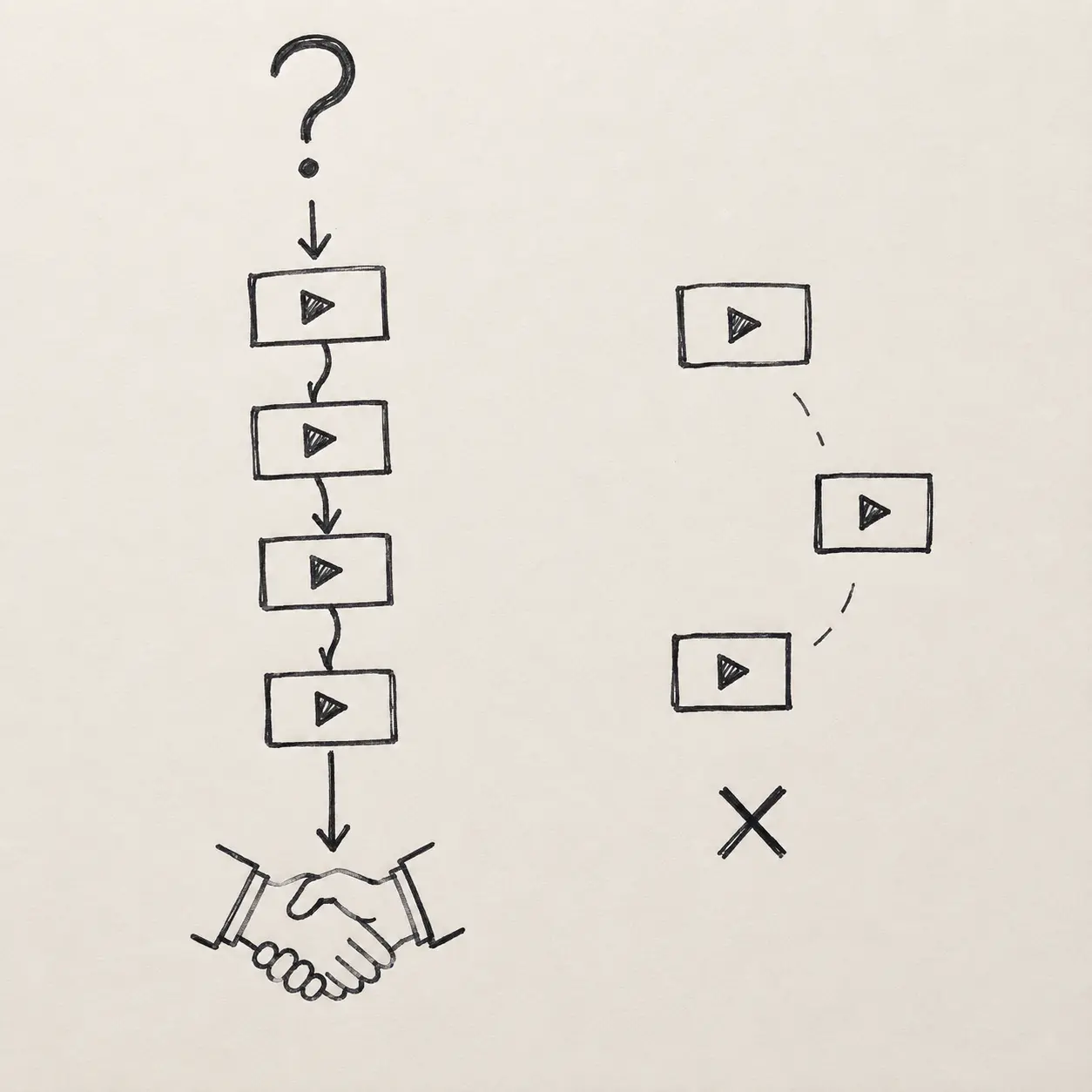
A calendar shows filming and publication dates. To connect the episodes, add the viewer’s question and a useful next video to each topic. This also reveals where the channel is missing an explanation.
For example, someone may discover a company through a broad video, then need a practical guide and a case study with the project’s conditions and results. Offer those next steps so the viewer can examine the company’s approach before discussing a service.
Three connections I check
- The video promises one specific next piece.
- The description, card and end screen point in the same direction.
- The next video continues the question rather than merely sharing a topic.
This also makes planning easier. The team can see which topics are covered, what could become a series and which questions still need answers.
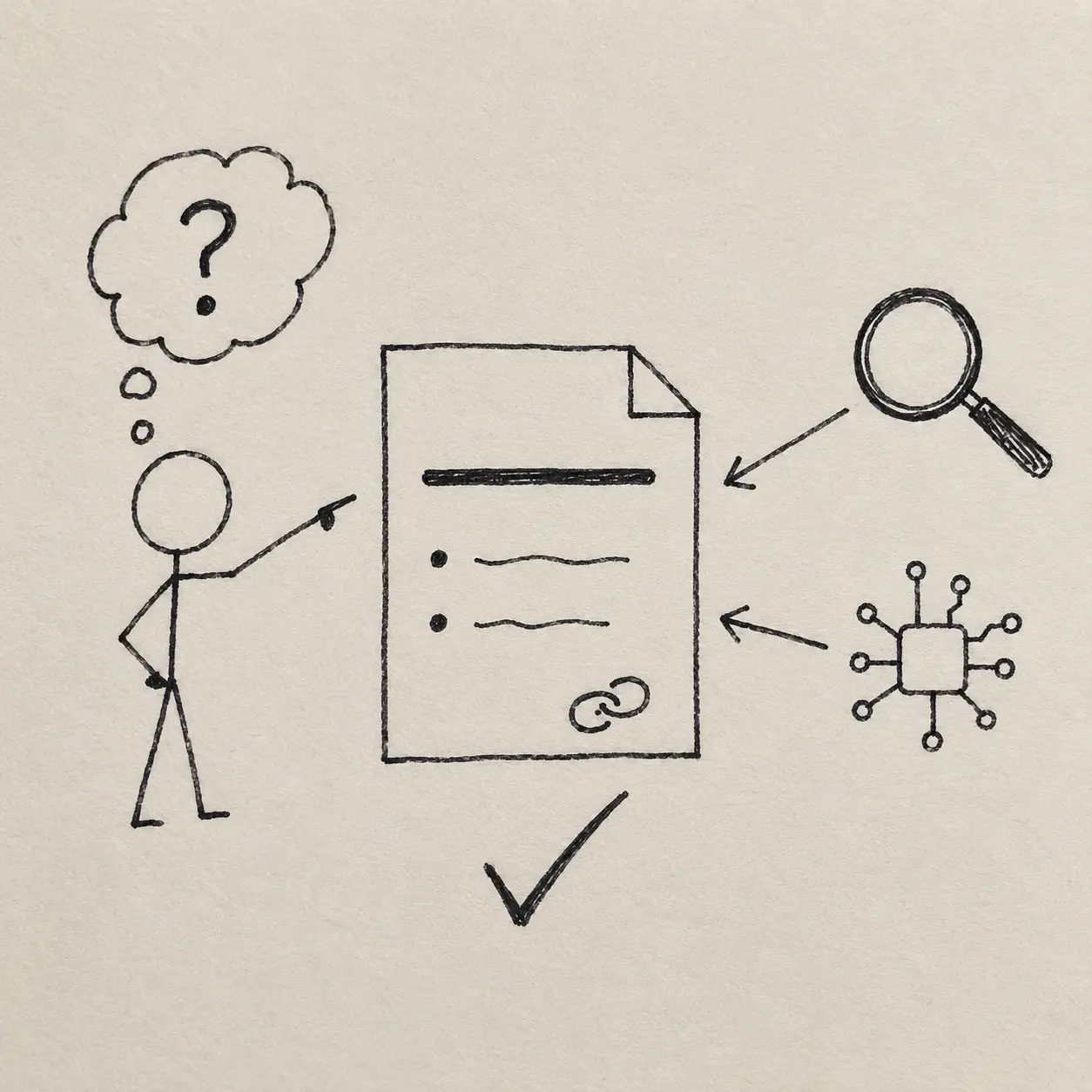
A new episode can bring viewers to material published months earlier. Before linking it, check that the older video still answers the relevant question and that its facts and conditions remain accurate. A descriptive title helps the viewer decide whether to continue.
Start with the five strongest videos. Write down where a person should arrive from and where they should go next. If the connection needs a long explanation, the videos may not be closely enough related.