When publishing more actually helps a channel grow
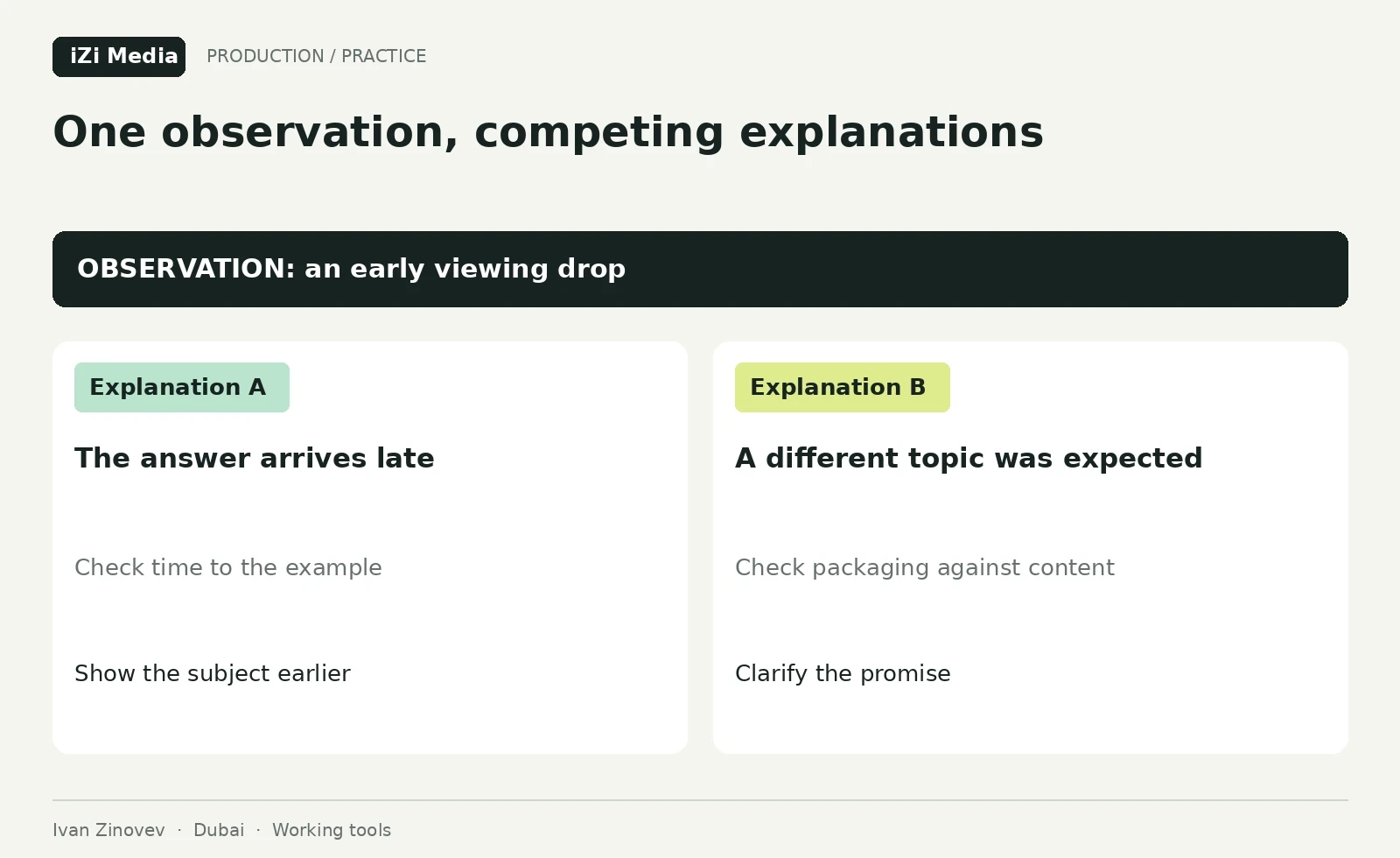
How to decide whether to publish more videos: review recent videos, check team capacity and choose a change to test in the next episode.
In this article (4)
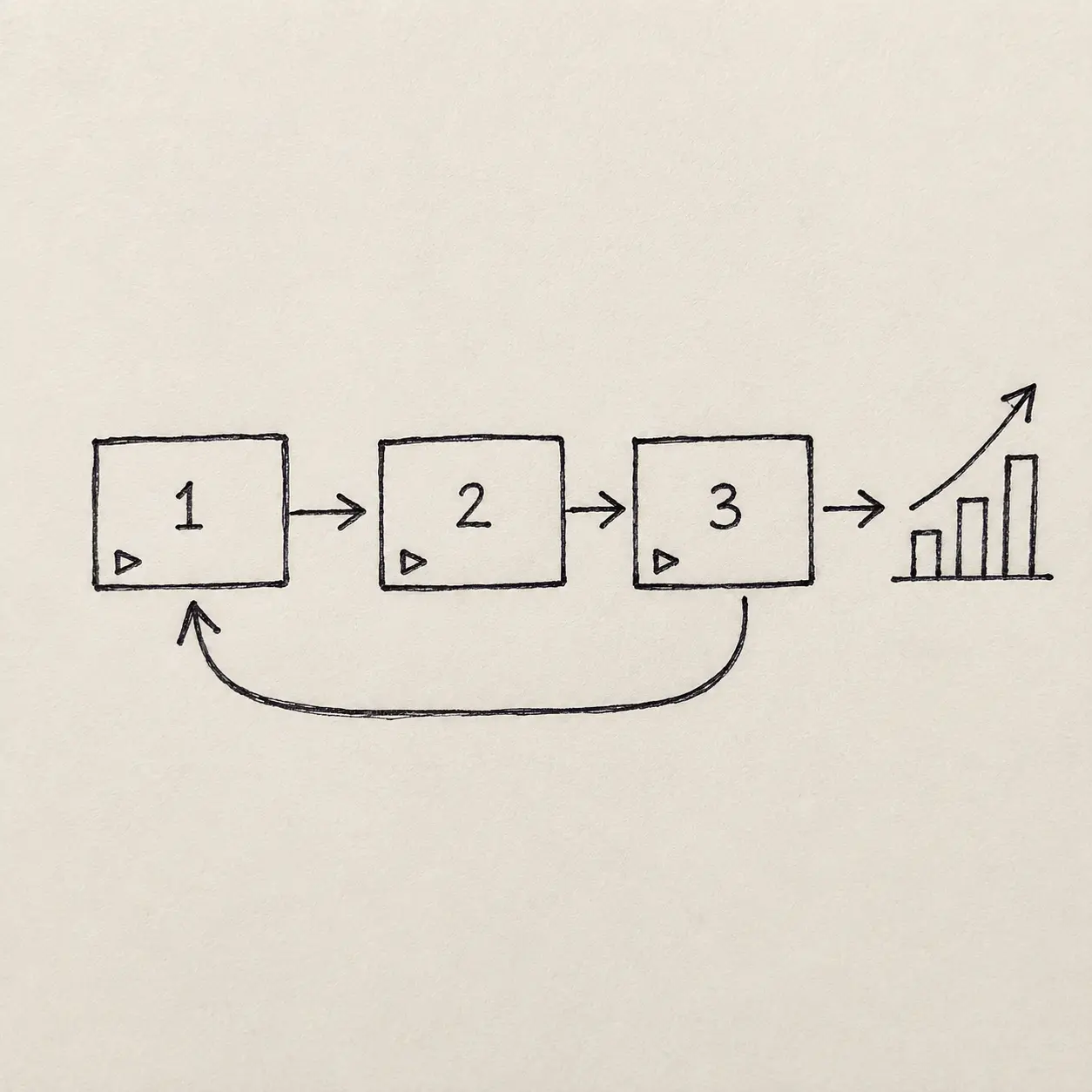
An additional filming day makes sense when the team knows which videos deserve more production time and can publish them. If recordings wait weeks for editing, another shoot adds to the queue. If videos arrive on time but attract the wrong audience, review the topics first.
There is no single schedule for every business channel. Volume depends on the complexity of the subject, the speaker’s time, available source material and team capacity. A workable pace allows the team to prepare a useful episode, publish it and use the results in its next decision.
Decide what you want to increase
One project may need more people watching explanations; another needs conversations with potential clients. Those goals can overlap, but they require different observations. Total views do not establish which viewers are ready to discuss a service.
Choose a question to investigate before publishing. Will a specific hiring mistake interest business owners? Will an opening calculation help viewers follow the explanation? Will they visit a relevant case study? Record which evidence will help you assess the answer.
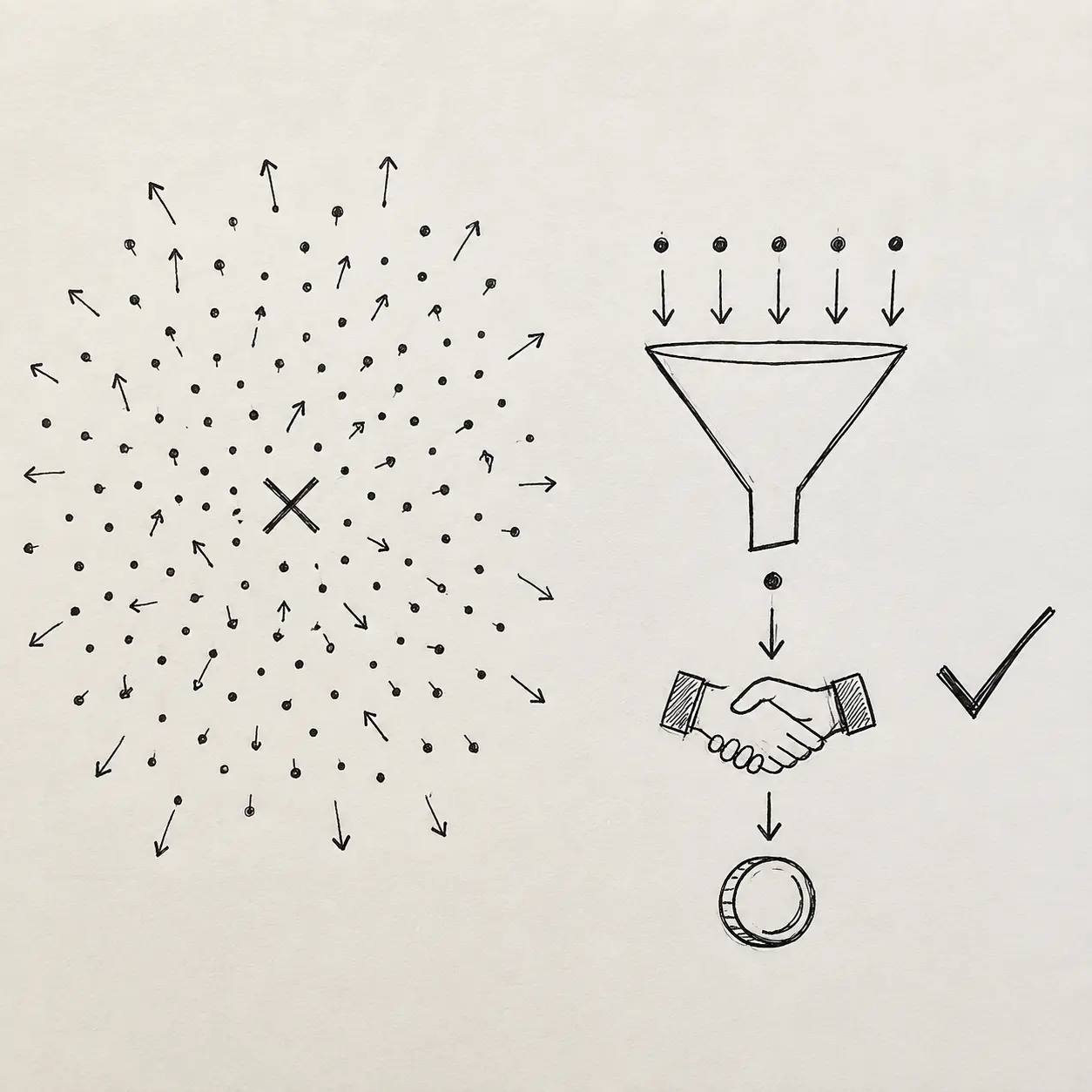
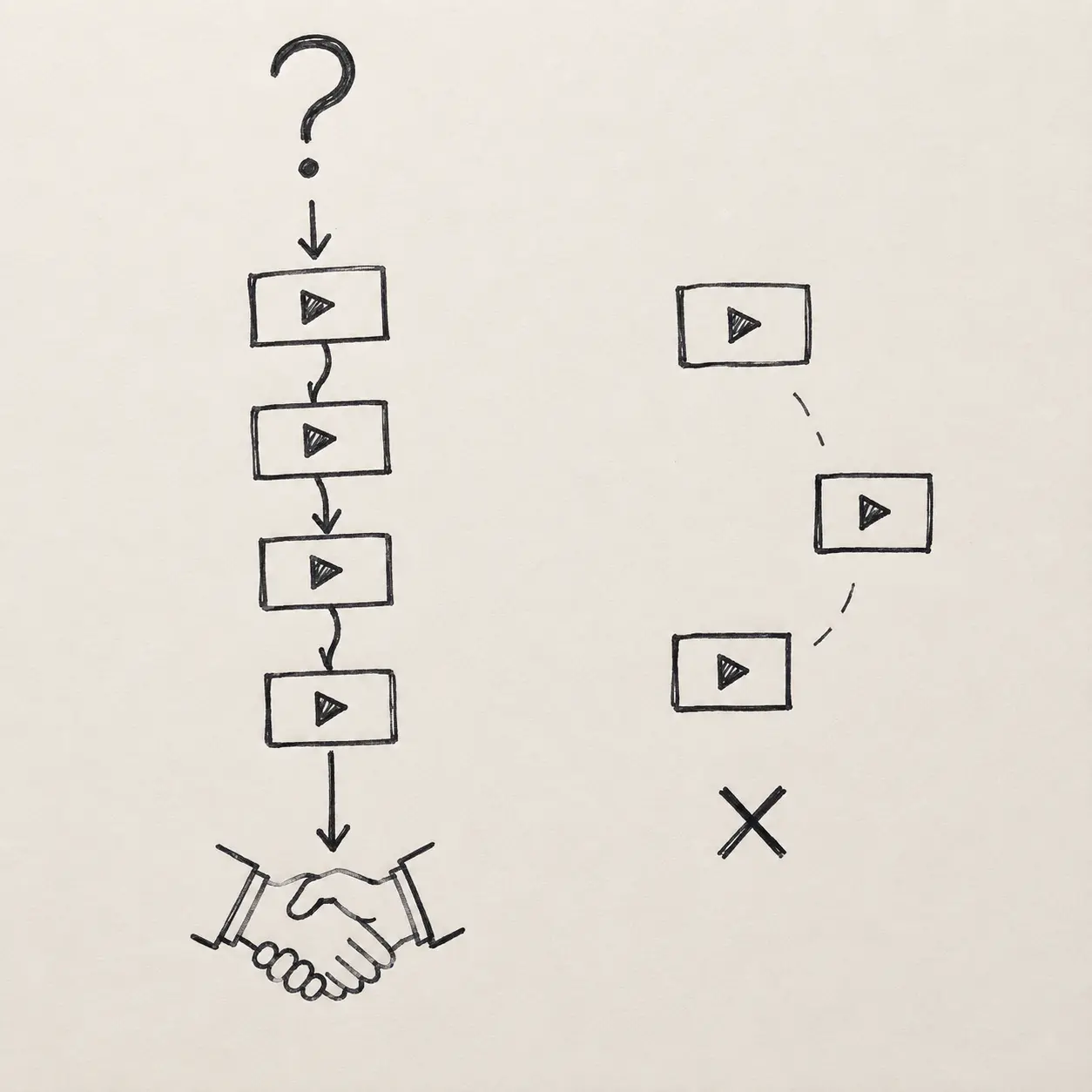
For enquiries, review the path after the video too: the destination link, the offer and whether the form works. Ask people who contact you what they watched. One video may introduce an expert while another helps someone decide to enquire. Record what is known and leave unknown attribution unresolved.
Reviewing recent videos
Take several videos in the same format and compare them at the same age after publication. The last five can be a practical sample for discussion, but cannot establish a universal conclusion about the channel. Account for differences in topic, length and traffic sources.
For each video, note the intended viewer, the title and thumbnail promise, changes in retention, audience questions and known enquiries. Read comments alongside the footage: a complaint about an unclear calculation is more useful when you can see which explanation the person missed.
YouTube’s retention guidance explains dips and spikes. Rewatching may indicate interest or confusion. Review the actual passage before deciding what to repeat.
Write down one change for the next video and its basis. “Make it more interesting” is too vague for an assignment. “Show the result before the lengthy definitions because viewers leave during that section” can guide a script. It is a working hypothesis to investigate in a later video.
An illustrative scheduling decision
Suppose a team publishes one interview a week and wants to add a second. Three recordings are already waiting for editing. A review finds that the editor is awaiting the speaker’s checks on figures, while the client receives questions across several chats. This is an illustrative workflow example, without client performance figures.
First collect the questions in one document and agree a review deadline. Then check whether the recorded material moves through approval. Once the queue shrinks and preparation time is available, the team can try an additional video.
Consider another situation: recordings go out on time, viewers regularly ask questions deserving separate explanations, and the speaker and team can prepare them. A limited run at a higher frequency can test whether quality and available time hold up.
When to add videos
Before changing the schedule, check for substantial topics, speaker availability for examples and approvals, and editing capacity. Each additional video needs its own question. Repeating an answer under another title contributes little to understanding the audience.
Agree how long to try the schedule and when to reconsider it. For example, the team could return to its earlier pace if deadlines slip or preparation becomes superficial. These are production decisions, not promises of growth.
Compare outcomes against the project’s goals: publishing, time spent, viewing of particular videos, useful questions and known enquiries. Subscribers and total views show part of the picture. A sales objective also needs a review of the path from YouTube to enquiry.
The next-month audit plan explains how to prioritise changes. To discuss working on your channel, send its link, your current schedule and the business goal. We can start with decisions your existing material supports.