HomeArticlesYouTube production
A costly YouTube production mistake: discussing the topic on filming day
What to agree before filming a business video: the viewer’s question, the speaker’s examples, the title and the deliverables. Includes a sample episode brief.
In this article (5)
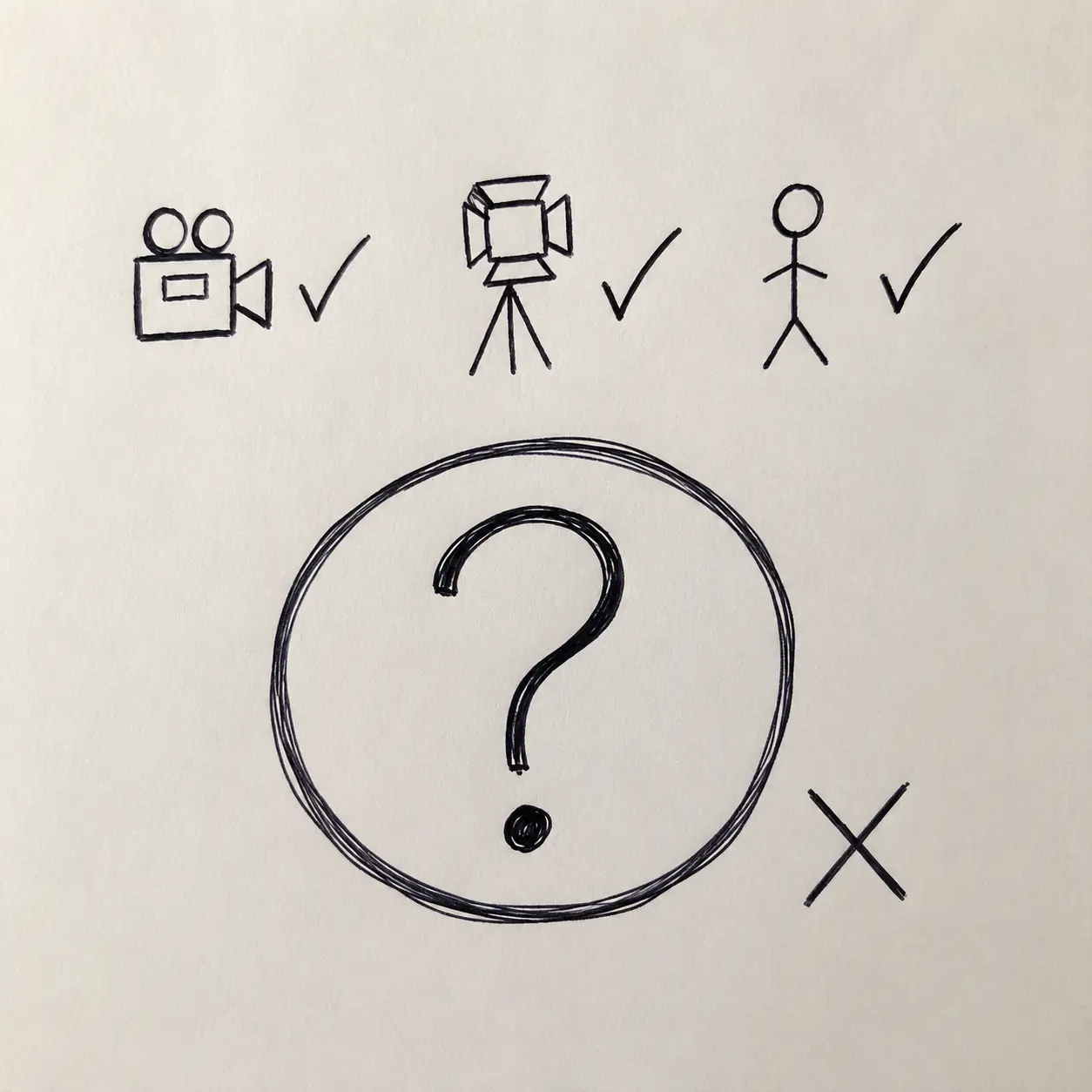
The studio is booked, the guest has confirmed and the crew has arrived. Only now does the team start discussing what the episode will cover. This is an illustrative situation, but the costs are concrete: people and a location have been booked while the content is still undecided.
After recording, an editor may discover that the speaker answered a different question or left out an essential example. They can only work with the available footage. A short pickup may be enough; sometimes the participants need to meet again. Preparation should expose those gaps before the shoot.
What needs to be agreed before recording
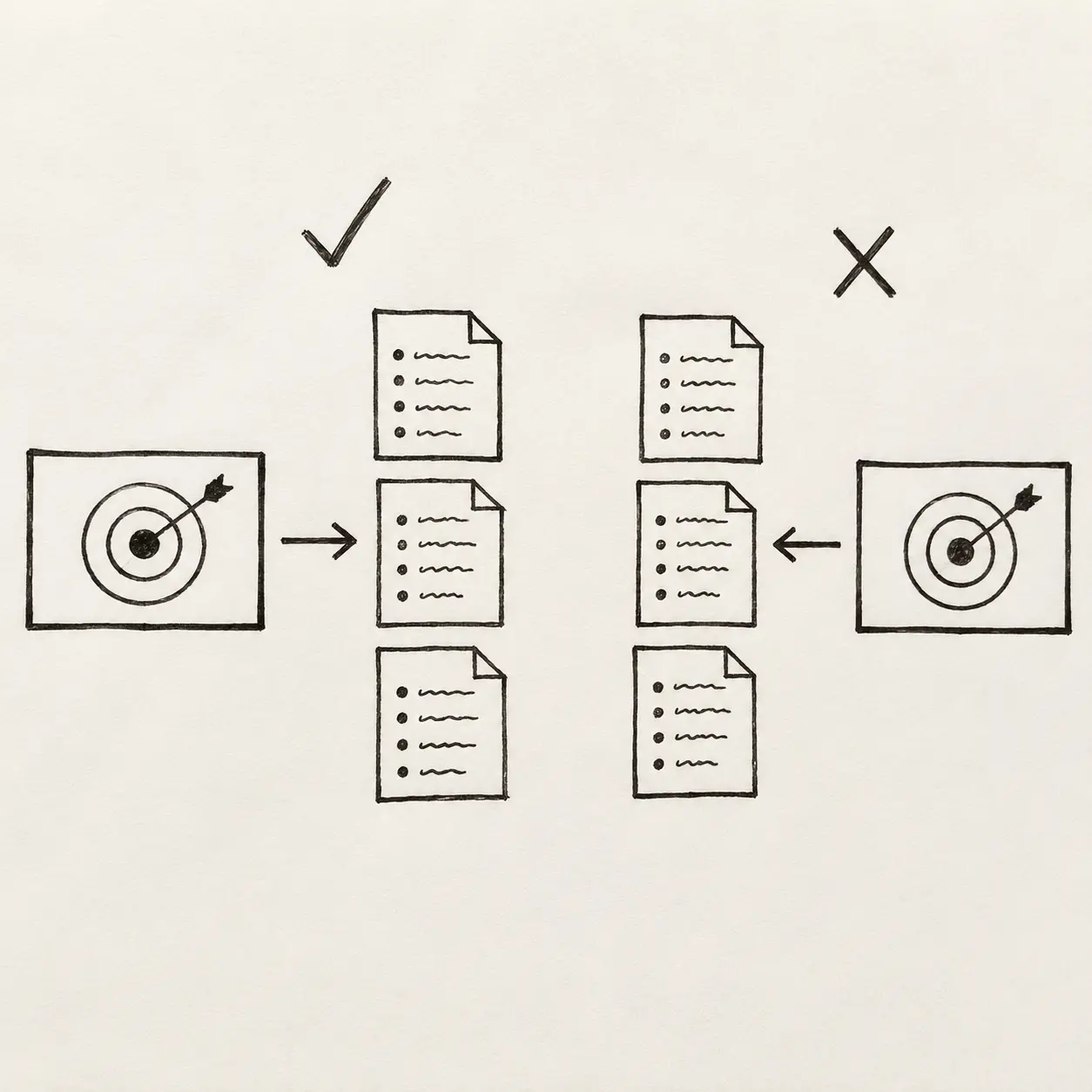
Give the episode a question viewers recognise from their own situation. “Let’s talk about investment” leaves too many possible directions. “How do you compare two properties when one offers higher rent and the other may be easier to resell?” establishes a decision and a direction for the discussion.
Check what the speaker can use to support the answer. It might be a calculation, an authorised example from their work, a demonstration or a document. Where the original data cannot be shown, agree which details can be anonymised. Label an illustrative example as such.
A working title and thumbnail help define the scope. If they promise a comparison, the recording needs comparable options and reasons for choosing between them. The final wording can change after editing; the promise still needs to be supported.
A sample brief for one episode
This illustrative brief is for a property consultant’s video. It demonstrates how to structure an assignment and does not describe a client project’s results.
- Viewer: a buyer comparing two properties for rental income.
- Question: which costs should they include before comparing yields?
- Working title: “Property yield: what to deduct from the advertised rent”.
- Material: two illustrative calculations using consistent assumptions, with the costs explained.
- Opening: show how the total changes when costs are included, then explain the calculation.
- Next action: invite viewers to prepare the figures for their own property for a discussion.
The brief makes the preparation visible: a calculation table, explanations of the assumptions and a list of missing figures. The conversation can still be spontaneous. A speaker need not memorise every line when the question and supporting material are agreed.
Sales questions can help select a topic because the team hears customer doubts directly. An assistant or social media manager can collect them. Someone then needs to choose the episode’s specific question and check whether there is enough material to answer it. Assign that editorial responsibility before booking the shoot.
Checking the speaker and the plan
Ask the speaker to answer the central question briefly without a camera. Where the answer becomes vague, ask what they are comparing, what supports their conclusion and where the advice stops applying. Prepare follow-up questions for an interview. Check figures and labels for an explanation built around calculations.
YouTube’s retention guidance connects the opening 30 seconds with expectations set by the title and thumbnail. During preparation, check whether the opening begins delivering the promised explanation.
Agree on restrictions separately: which names and documents can be mentioned, who checks facts and when client approval is needed. A confident speaker may still lack permission to disclose details of a particular transaction. Finding a replacement example during recording is inconvenient.
What the editor receives
After filming, the brief should retain the central question, approved facts, necessary calculations and restrictions on using the material. If the discussion took another direction, identify the revised reasoning and the footage supporting it. That helps the editor preserve the meaning.
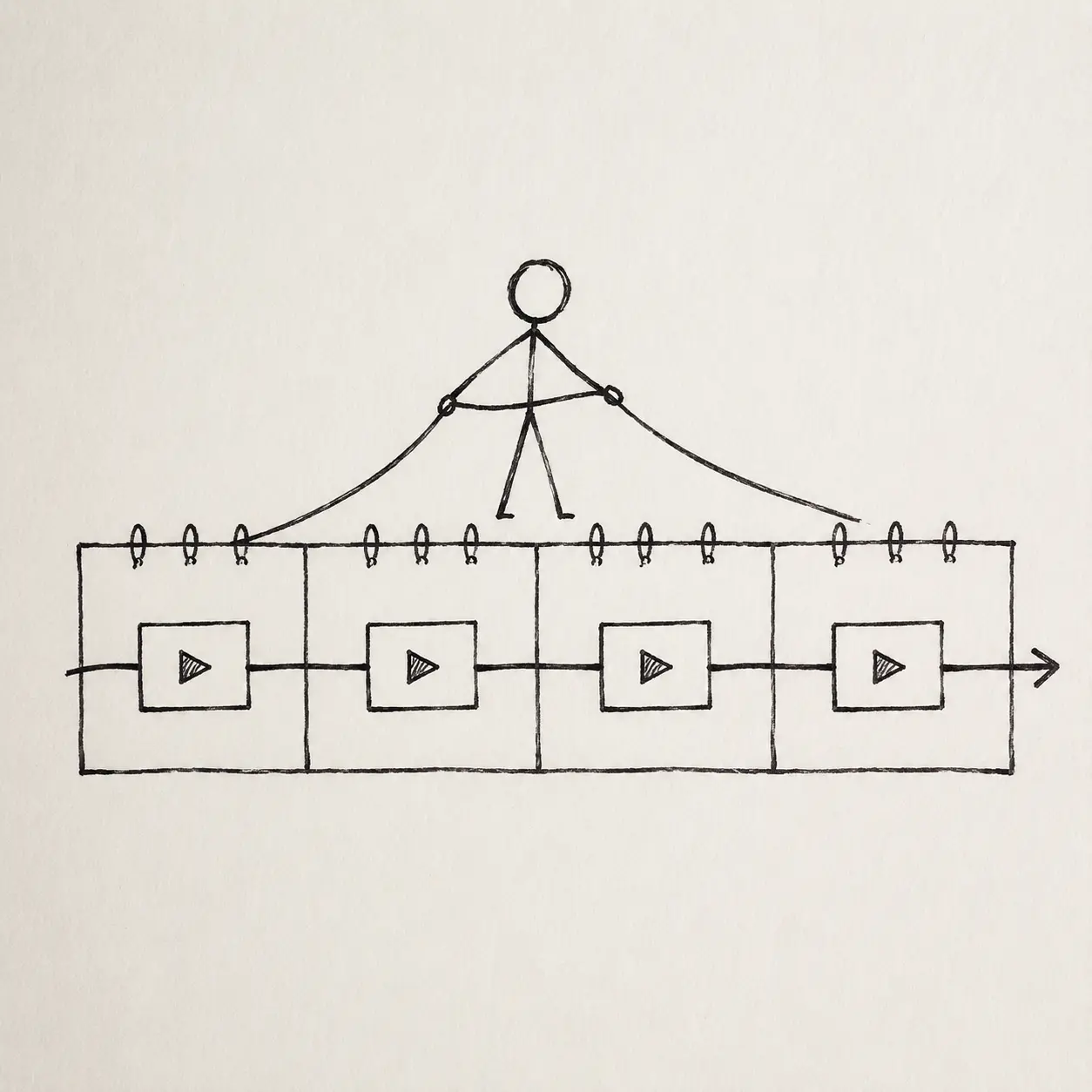
Also agree on deliverables: the full episode, short versions, a thumbnail, subtitles and publishing. Define the scope of each. A fixed number of standalone Shorts is easier to commit to before reviewing the footage when their topics and recording have been planned in advance.
The detailed editing brief takes this preparation into the next stage: what is being recorded, where the source files are and how the work will be accepted.
When the shoot is ready to proceed
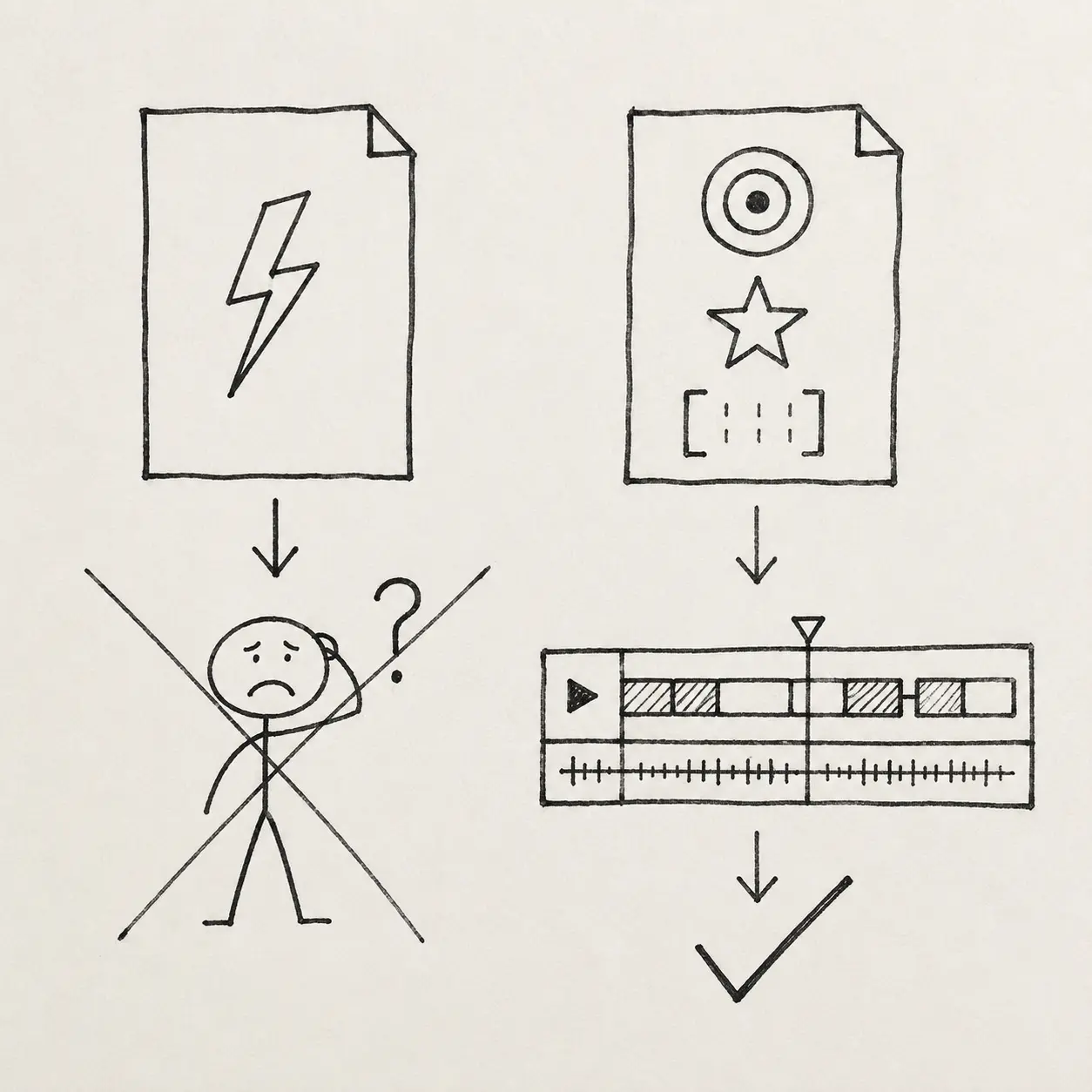
Ask someone outside the project to read the brief and explain whom the episode serves, which question it answers and what material supports it. Then check the speaker’s availability, source materials and approvals. Assign each unresolved point to someone who can settle it before recording.
If you already have a camera operator and editor, I can help prepare topics, structure the episode and work with the speaker. See YouTube production with your existing team for the scope. To discuss a shoot, send the proposed topic and the material your team has prepared.