How to prepare questions for an entrepreneur interview
Prepare entrepreneur interview questions around decisions, examples and trade-offs. Brief the guest and structure the conversation.
In this article (7)

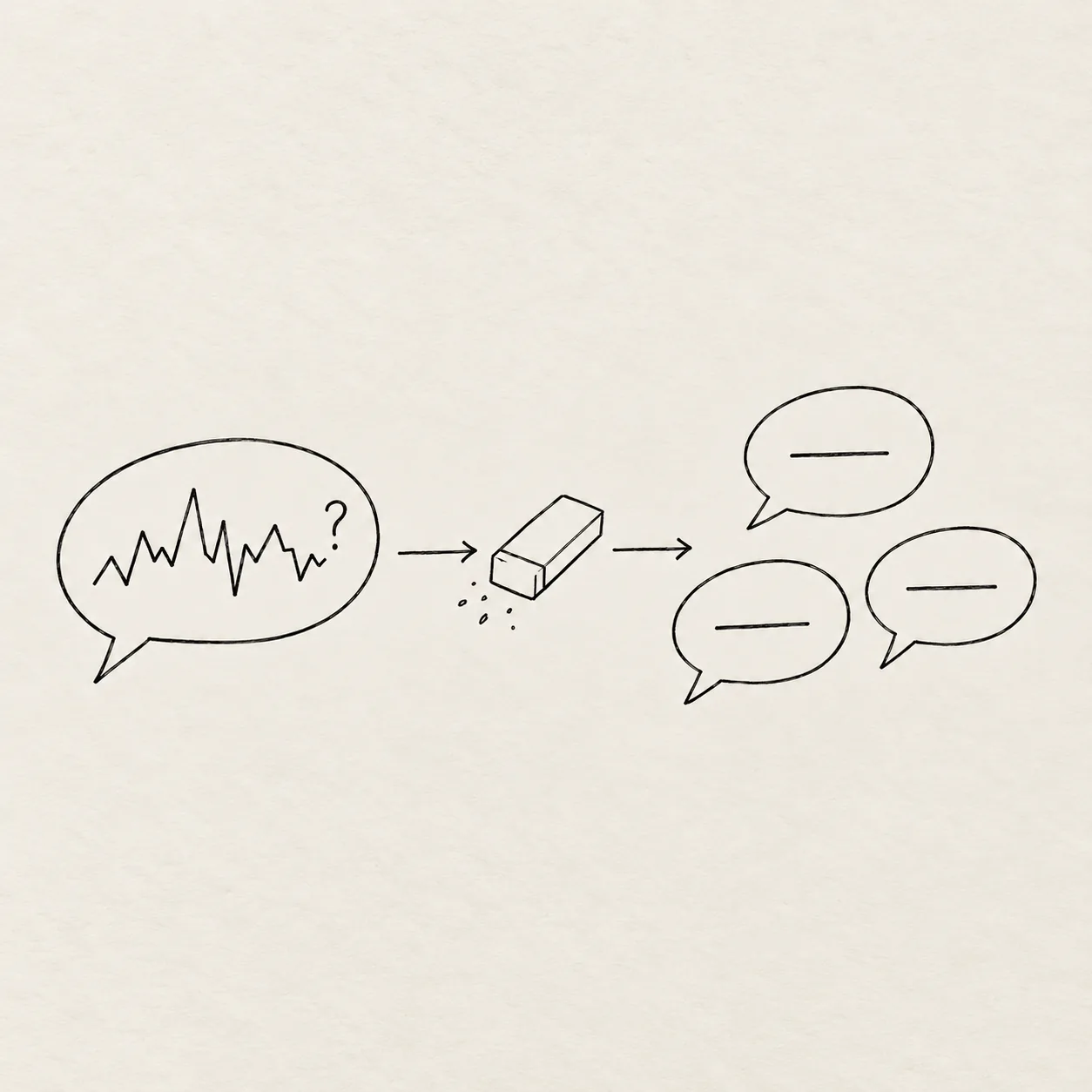
“What is the secret of your success?” is easy to ask and difficult to turn into strong material. The answer may cover teamwork, persistence and passion. It may all be true, but viewers have little to examine yet. The question needs a specific episode in which the person made a choice and took responsibility.
I prepare the conversation so the speaker can reconstruct a decision: what happened, which options were available, why they chose one and what followed. This material helps viewers see how someone thinks. It can work in a podcast or a standalone expert video.
Choose the subject first
Before writing questions, define the audience and their central interest. A potential client may want to know how the entrepreneur chooses suppliers, protects quality or turns down an unsuitable order. A peer may care more about management systems. An employee may need to understand expectations and decisions. One conversation can touch on several topics, but its central subject should be clear.
In the preliminary meeting, ask for incidents. When did they turn down revenue? When did their usual approach stop working? Which decision caused disagreement? What seemed obvious at first but changed after checking? These questions help find material; build the final structure around what you discover.
Make broad questions specific
The following are illustrative examples, not quotations from recorded interviews.
Rather than “How do you choose clients?”, ask: “Think of the last job you turned down. At what point did you realise you should not take it?” Follow up on the signs they noticed and what they told the client.
Rather than “What mistakes have you made?”, ask: “When did you last change a decision you had believed in? What made you reconsider?” This opens up the verification process and the cost of the mistake.
Rather than “What makes your team strong?”, ask: “On which recent project did an employee propose a better solution than yours? How did you recognise it?” The answer can show actual working relationships and selection criteria.
Wording alone cannot create a story. If the person cannot remember the incident or was not involved in the decision, find another episode.
Keep the conversation on the choice
Once the speaker has described the situation, ask about the available options. What could have happened differently? What information did they have then? Who objected? What made the rejected option attractive? What was at risk?
In an illustrative example, a company chooses between launching a product quickly and doing another check. Follow “Why did you decide to wait?” with “What did you already know? What remained unknown? What did the delay cost? Under what conditions would you have launched immediately?” This reveals the price of the decision and when it applies.

Use disagreement to examine a claim
If someone says “We always put quality first”, ask for a situation in which that cost the company time or money. If they say they delegate everything, ask about the last decision they kept for themselves.
Offer a strong objection: “The client cares about the deadline. Why should they wait for your extra check?” Then let the person explain the conditions and reasoning. Do not assign them a motive or demand a predetermined answer.
When a substantive answer emerges, follow it. A list of twenty questions does not oblige you to hurry through all twenty. Sometimes one follow-up contributes more than moving to the next topic.
Ask to see an example
“We improved the process” and “It became easier” need a follow-up. What did the work look like before? What exactly changed? How was it checked? Is there a document, object, screen or account of an incident that you can show?
Clarify publication limits before recording. If there is no permission to name a client or disclose a figure, find an anonymised example that preserves the situation’s meaning. If the outcome is still unknown, discuss what was done and how it will be assessed.

What to send the guest beforehand
Share the topic, audience, main conversation areas, recording arrangements and a request to prepare a few incidents. Separately agree on sensitive questions and materials to show. Memorising complete answers is usually unnecessary; remembering events and checking facts is more useful.
Put exact definitions, figures and names on a separate sheet. If camera preparation is needed, rehearse one episode briefly. This reveals where the person starts with a long introduction and which question brings them back to the subject.
How to assess the preparation
Check each section: is there a situation, choice, reasoning and example? Can viewers tell whom the conclusion applies to? Is it clear where the person’s experience ends and their assumption begins?
The finished episode can begin differently from the recording. A strong situation can come first, with the guest’s introduction alongside it. Editing should preserve the conditions under which the conclusion was drawn.
If you want to record an entrepreneur or expert, I can help find material, prepare questions and conduct the interview. See the recording scope with an interviewer or send the subject and purpose of the conversation. Continue with the guides to business podcasts, camera preparation and selecting Shorts.