Adapting YouTube ideas from other industries without copying a channel
Identify a useful principle in a reference video, rebuild it around your own material and test the idea for another business before a complex shoot.
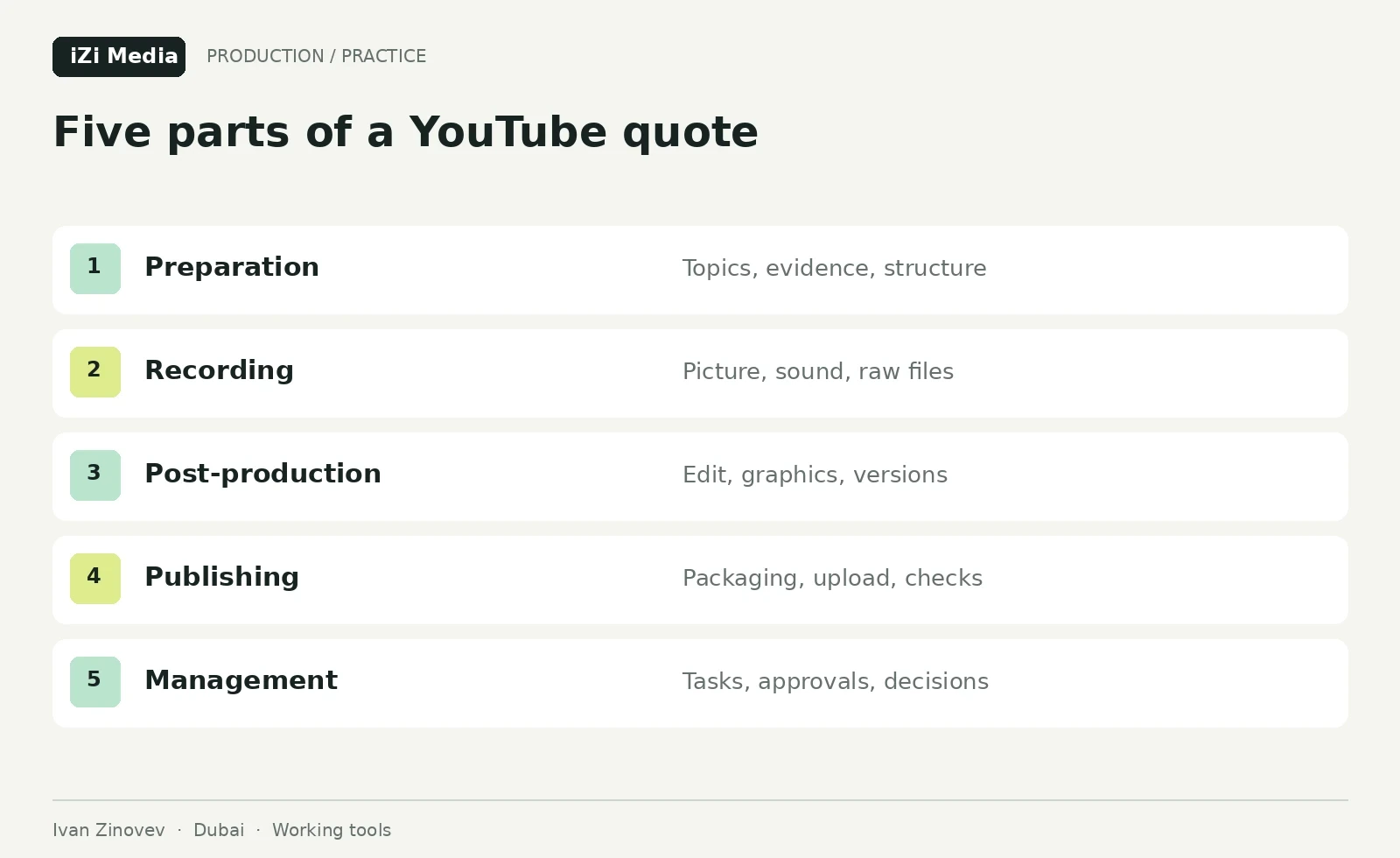
In this article (9)
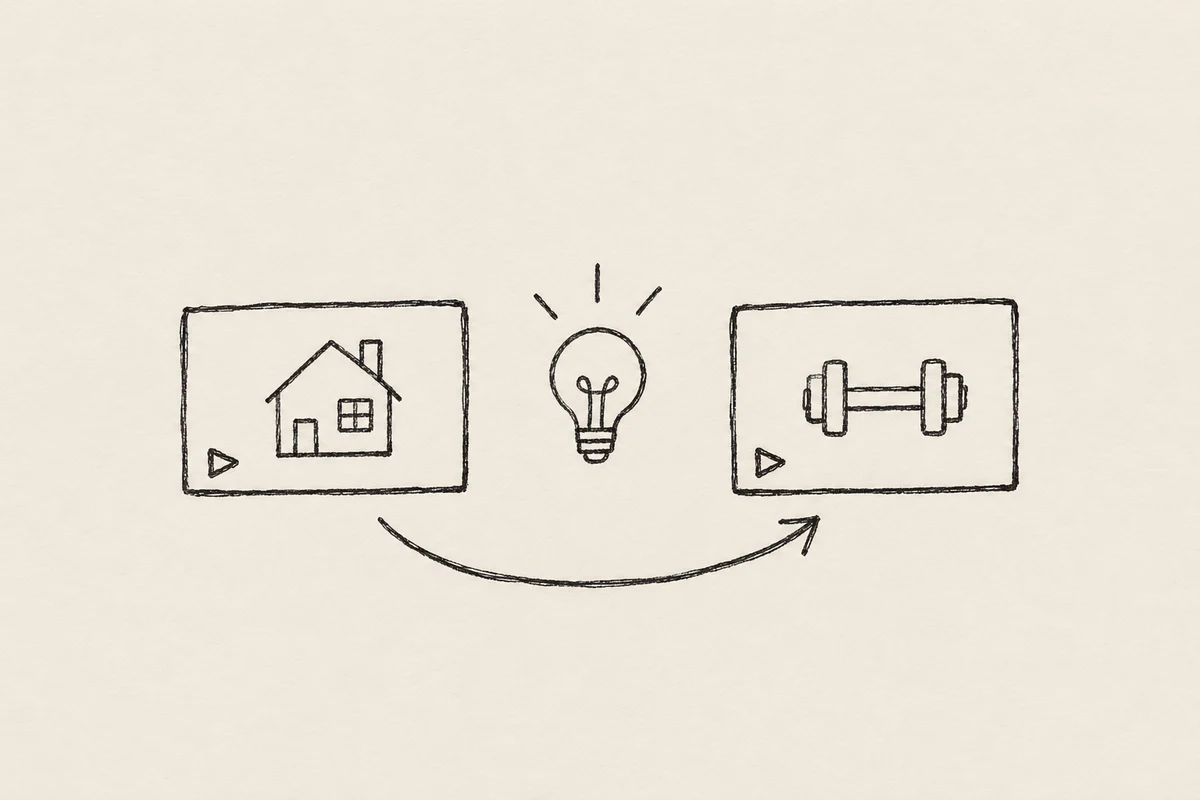
It is easy to describe a video through visible features: two participants, unusual props, an argument, fast editing. Repeating those features is easy too. They do not explain why someone chose to watch or what sustained attention.
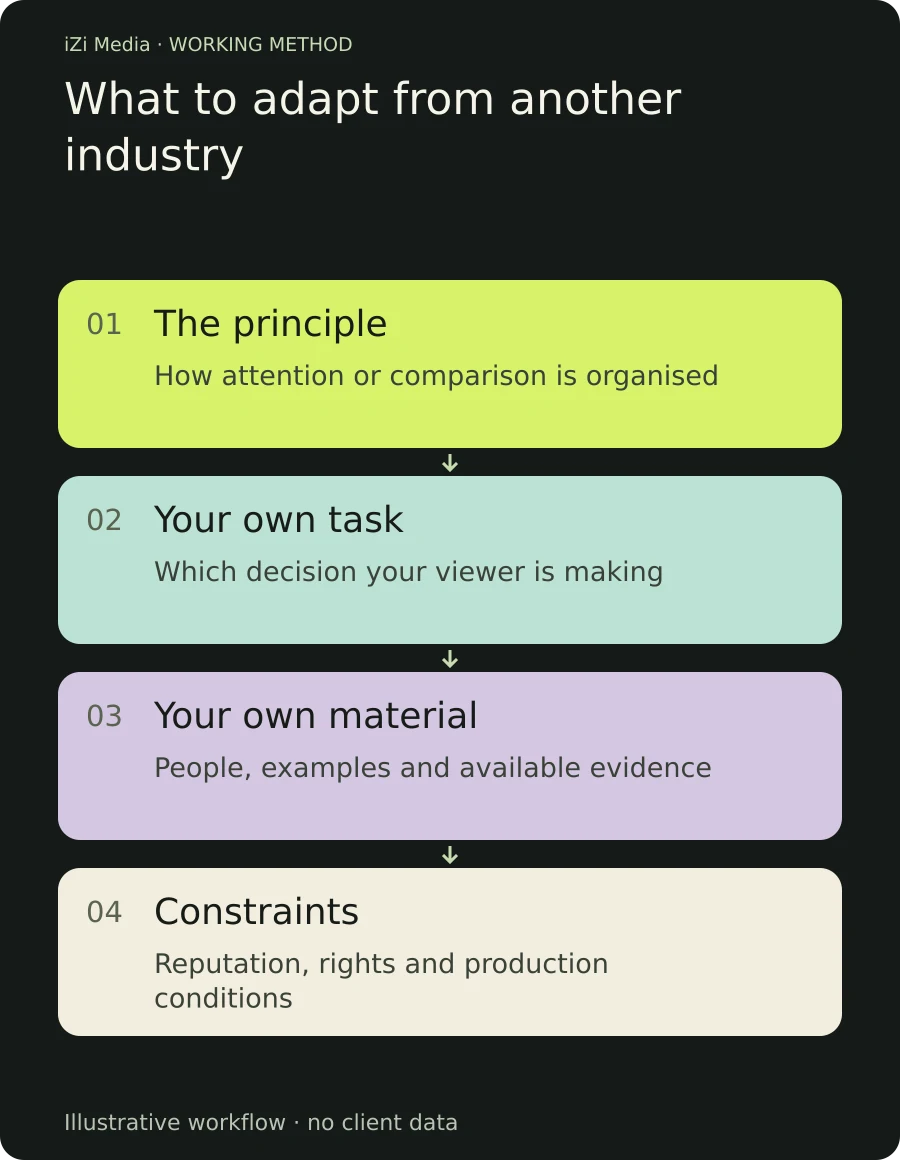
For a business, a reference is useful when it helps develop an appropriate solution. Work out what the technique does, what depends on the original creator and whether your project can supply suitable material.
A financial adviser, trainer, car-service owner and fashion brand might use a similar comparison structure. Their subject, permitted claims, viewer motivation and cost of error will differ.
Find the question beneath the format
Suppose a successful video follows someone choosing between two options. You could copy the cards, timer and final vote. But viewers may really be interested in how an expert decides with incomplete information.
If the cards disappear and the decision remains interesting, you may have found a transferable principle. If the video needs a familiar personality or unusual object to work, include that dependency.
Ask what viewers were promised, what they knew at the start, which action changed the situation and what became clear by the end. Why would they want to see the next stage?
This goes beyond a running-order description. “There is a joke halfway through” identifies placement. “The joke exposes the weakness in that option” proposes a function. It remains a hypothesis, not a proven explanation of success.
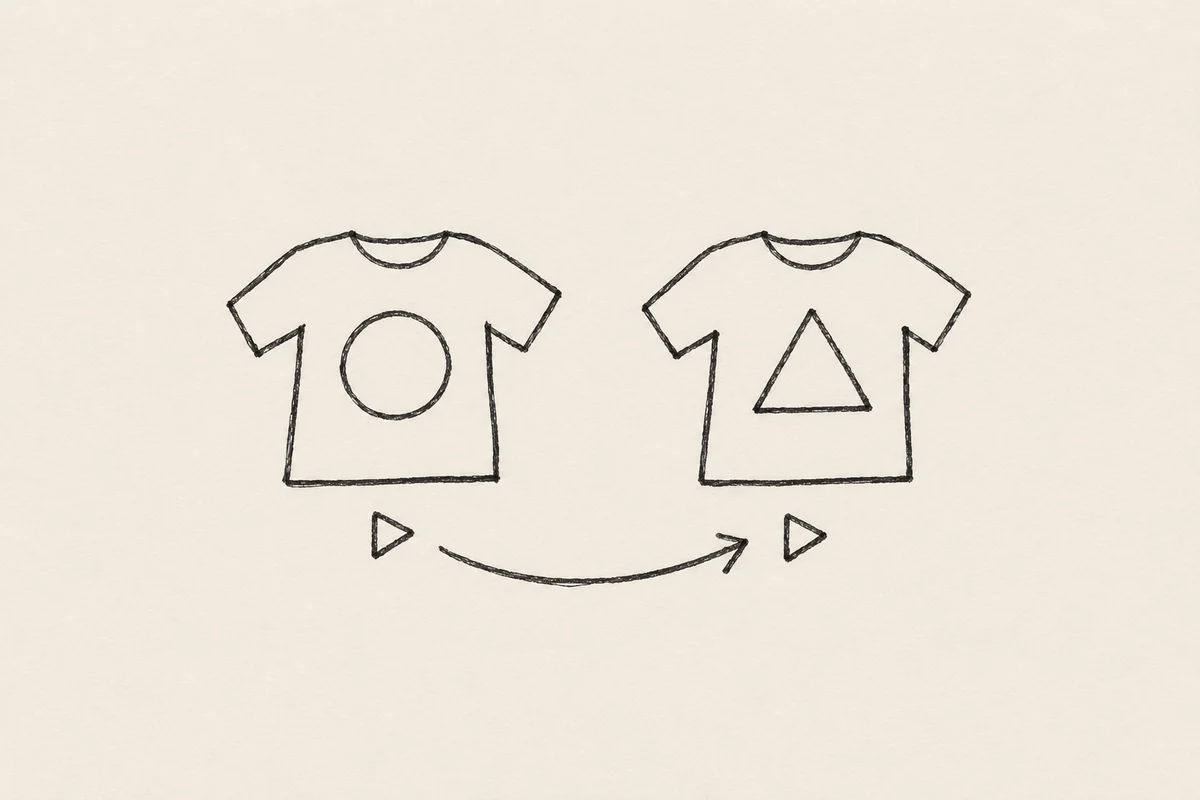
Separate transferable principles from new work
| Layer | What you can study | What the new project must establish |
|---|---|---|
| Viewer task | Comparing options, understanding risk, watching a test | The particular situation and its importance |
| Episode progression | Information order, a choice, a check | Which events are genuinely available |
| Participant's work | Explanation, action and response | Expertise, personality and boundaries |
| Production | Framing, visible details and pace | Location, equipment, people and budget |
| Business connection | An appropriate next step | Service, decision cycle and feasible outcome |
This avoids asking a client to impersonate another creator. A calm expert need not manufacture the argument that works for two outspoken friends. Comparing two genuine approaches with a host's follow-up questions may suit them better.
Professional content needs its own review. A device used in entertainment cannot automatically be transferred into a medical or financial explanation. A familiar format does not remove the need to check claims and restrictions.
Look for repetition, not just a large result
A major channel has history, recognition, an audience and distribution opportunities. A public view count cannot isolate the contribution of a format.
Adam Chase suggests looking for an idea working across several channels of different sizes. That is a useful research filter. It does not establish causality, but makes it harder to mistake one striking example for a universal formula.
Compare conditions: publication age, typical channel performance, a famous guest, current events and whether the structure recurs. Public information cannot reveal everything. You do not know another video's retention, paid distribution, enquiry sources or sales.
Keep those unknowns explicit. An idea with no comparable examples may still be worth trying. Treat it as a riskier hypothesis and test it on an appropriate scale.
If the technique is meant to become a series, work through the YouTube show format guide. A recognisable structure still needs material for the next episodes.
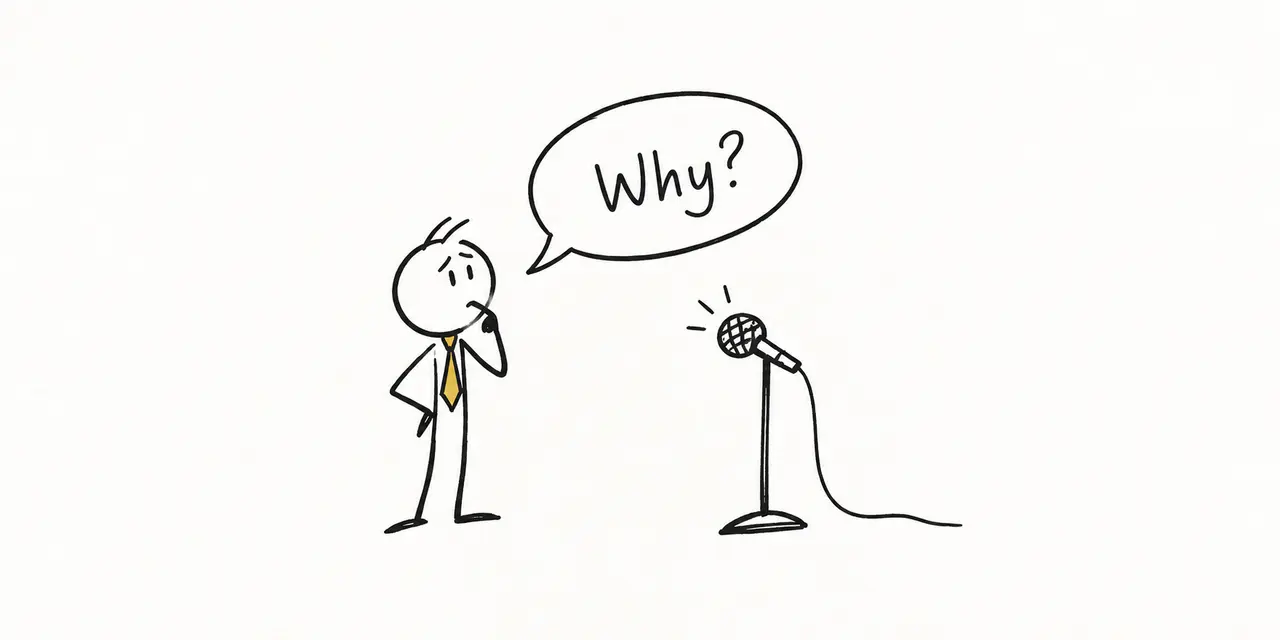
Keep the question and replace the material
Take an illustrative reference: someone makes a useful object from a limited selection of materials. The interest lies in their choices and trade-offs.
The principle could become:
- a designer solving a spatial problem with size and usage constraints;
- a coach explaining exercise selection for available equipment and a stated goal;
- a car specialist comparing options using equivalent criteria and permitted information;
- a clothing producer selecting a fabric for a particular use.
These are starting points, not completed case studies or outcome promises. Each needs genuine material and relevant expertise. An invented constraint should not be presented as a client's real circumstance.
Rewrite the viewer promise after adapting the idea. It must describe your situation. “We made a challenge too” explains little about the episode's value.
Check what genuinely belongs to the speaker
A borrowed structure may help someone speak more precisely. A borrowed personality may make them uncomfortable.
Ask the expert to explain the situation without a script. Which details engage them? Where do they qualify a claim? Which popular advice do they disagree with, and why? What can they show?
That supplies the original contribution. A host can explore a genuine difference of approach; the editor has a specific decision to preserve; viewers hear the person's position.
Nikolay Velizhanin links lasting distinctiveness to a creator's own viewpoint. His numerical stages of growth through copying should not become rules. The useful question is simpler: without the familiar surface, do you still have something to say?
A distinctive position need not be radical. A precise condition under which popular advice stops working may be enough.
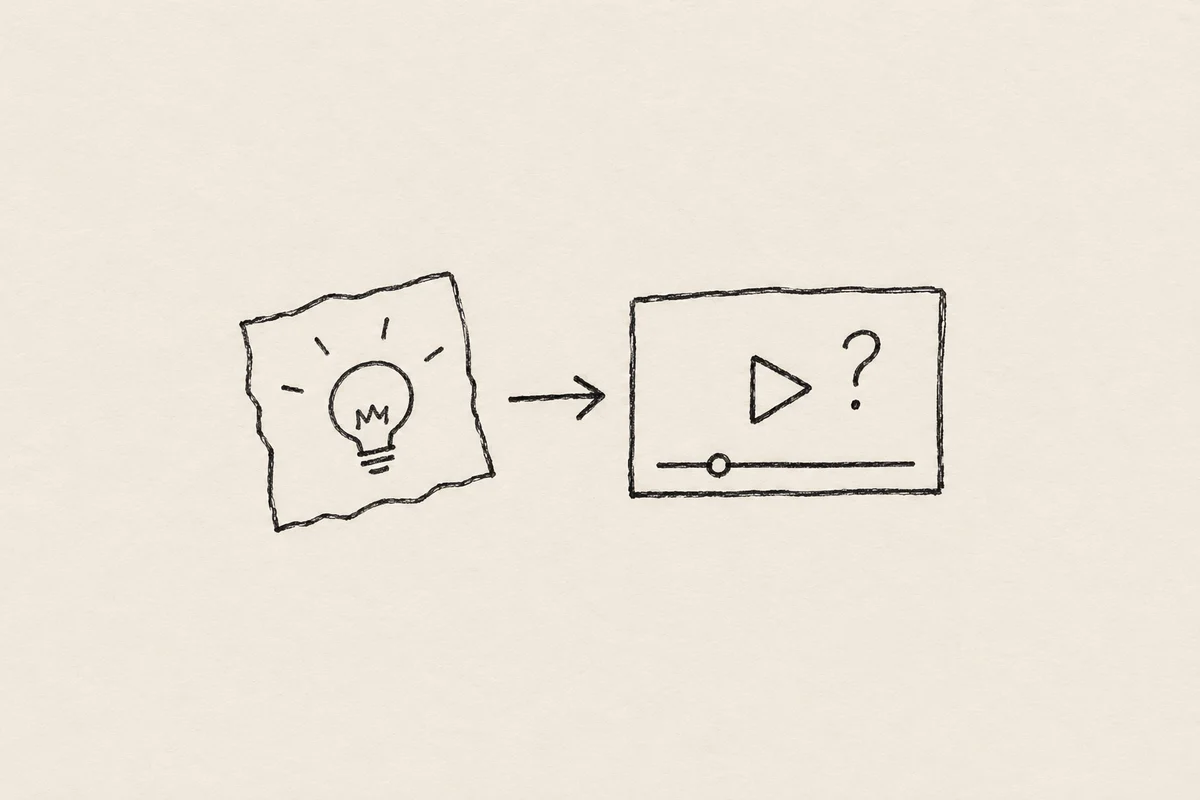
Do not borrow packaging before checking the substance
A strong title promises an event. If your footage cannot fulfil it, a similar title creates a mismatch.
“We tested” needs an actual test. “What happened a month later” needs later material. “Why I turned it down” needs a real rejection that can be discussed. An illustrative example needs an appropriate label.
Oscar Owen emphasises the combination of idea, packaging and later improvement. For references, read those as connected decisions: title, thumbnail and material must support the same task. His particular title-length, CTR and publishing-frequency guidelines are not universal standards.
Begin with what you can genuinely record, then choose the promise and visual approach. Another creator's wording should not force the team to invent missing events.
Use the pilot and season budget guide to define the test and its production constraints. For another business context, see the product brand channel guide.
Run a small trial before a complex shoot
A first trial may be a conversation extract, an off-camera rehearsal or a rough sequence of permitted material.
Give it one question. Is the difference between options visible? Do viewers understand the constraint? Does the guest have enough material? Can the host lead the action rather than read questions?
Show it to people resembling the intended audience. Ask what they followed and which question remains. Polite praise tells you little about the mechanics.
If it does not work, investigate. The participant may be wrong for the format, the explanation too complex, or the original industry may offer an immediate visible outcome while yours takes months.
Faster editing cannot solve every problem. Sometimes the episode's task needs changing.
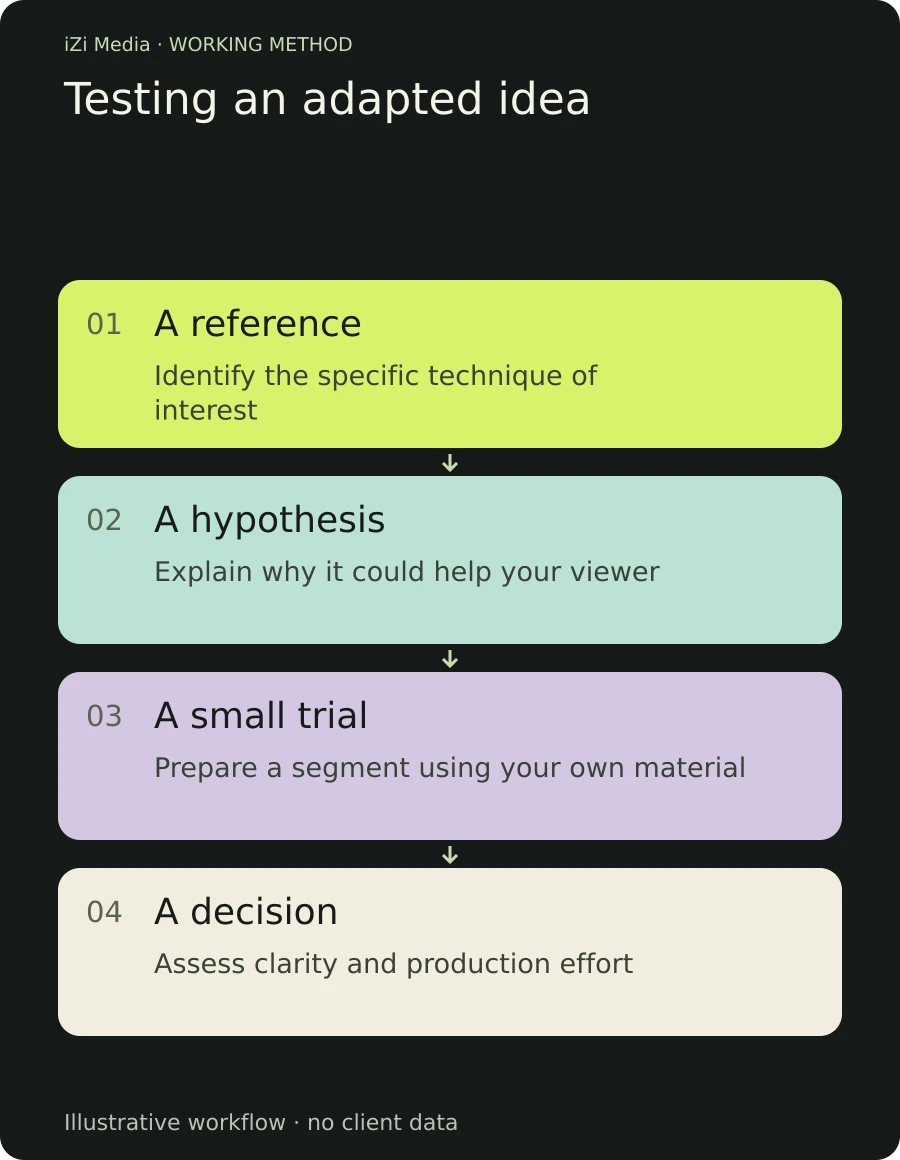
Compare your trial with its purpose
Before publishing, record why you chose the mechanics and what you will review. Otherwise, almost any result can acquire a convenient retrospective explanation.
Do not try to prove topic demand, a new host, a set and the suitability of short clips all at once. Too many simultaneous changes weaken the next conclusion.
YouTube's skip and rewatch information helps select passages to examine; it does not automatically identify causes. A viewer may return to a calculation because it is useful or because it is unreadable. A drop during the rules may also relate to the audience attracted by the thumbnail.
Production matters too. Was the material obtained without excessive intervention? Are further stories available? Can the team repeat the work within the budget?
Preserve the useful disagreement
Anastazja Debowska emphasises patterns across channels. Nikolay Velizhanin describes how experience in one industry failed to provide ready-made answers elsewhere.
These views can be reconciled by separating levels. A comparison principle may transfer; the criteria need rebuilding for the new subject. An information sequence may help; the material, boundaries and business connection still need original work.
Finish the reference analysis with a short document: what you studied, which hypothesis you are using, what changes for this client and how you will test it. This also distinguishes inspiration from permission to reproduce another work.
The result is room to experiment while keeping your own facts, voice and purpose. Whether to continue the format then depends on what your team can make for its audience.
An idea can be developed through original show production. If the audience’s question is still unclear, begin with topic research from customer conversations.